Secure, speedy, and reliable : Up to 70% Off!!!
Remote Patient Monitoring (RPM): Using Connected Devices to Deliver Real-Time Health Data to Clinicians
Learn how remote patient monitoring (RPM) platforms use connected devices to send real-time health data to clinicians, improving outcomes, reducing hospital visits, and empowering patients. With link references.
3/2/20262 min read

What Is Remote Patient Monitoring?
Remote Patient Monitoring (RPM) refers to a telehealth approach in which health metrics like blood pressure, glucose levels, heart rate, oxygen saturation, and other vital signs are collected outside traditional clinical settings using connected medical devices. These devices send patient data securely over Bluetooth, Wi-Fi, or cellular networks to a cloud-based platform or dashboard where clinicians can review and act on the information. (CapMinds -)
How RPM Works: From Device to Clinician
Connected Medical Devices: Patients use devices such as blood pressure monitors, pulse oximeters, glucometers, wearable trackers, or smart watches that automatically collect physiological data. (SmartClinix)
Data Transmission: Devices send data wirelessly via Bluetooth, Wi-Fi, or cellular connections to a secure platform. (DrKumo)
Cloud & Software Platforms: RPM software aggregates, encrypts, and stores the incoming data on cloud servers or integrates it with an Electronic Health Record (EHR). (CandiHealth)
Clinician Dashboards: Clinicians access real-time dashboards that visualize patient metrics, identify trends, and flag critical conditions for follow-up. (SmartClinix)
Alerts & Intervention: When readings fall outside predefined thresholds, clinicians receive alerts — enabling timely adjustments to treatment plans or urgent follow-up. (Orangesoft)
This workflow turns isolated health snapshots into a continuous narrative, empowering providers to act before small issues escalate into emergencies.
Benefits of RPM Platforms
🩺 Better Chronic Disease Management
Patients with conditions like hypertension, diabetes, and heart failure benefit greatly from RPM because devices track key indicators at home and alert clinicians when trends suggest concern. (psnet.ahrq.gov)
🏠 Convenience & Accessibility
RPM eliminates the need for frequent clinic visits, especially for patients with mobility challenges or living in rural or underserved areas. (CapMinds -)
📈 Improved Clinical Decision-Making
Real-time data enables clinicians to adjust treatment plans based on current trends instead of relying on occasional office readings. (CandiHealth)
📉 Reduced Hospital Readmissions
Early identification of deteriorating health signs helps providers intervene sooner, reducing the likelihood of emergency hospitalizations. (SmartClinix)
Common Devices Used in RPM
Bluetooth blood pressure monitors — track hypertension. (Healthiw)
Continuous glucose monitors (CGMs) — deliver real-time data for diabetic care. (Orangesoft)
Pulse oximeters — monitor oxygen saturation and respiratory status. (CapMinds -)
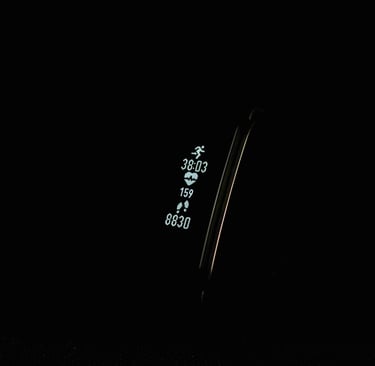
Wearable trackers — record heart rate, activity levels, and sleep patterns. (ScribeRunner)
Each device contributes pieces to a comprehensive health profile that clinicians can access remotely.
Trends Enhancing RPM Adoption
🤖 AI & Predictive Analytics
AI algorithms in RPM systems analyze real-time patient data to forecast health risks and notify clinicians before symptoms escalate. (ScribeRunner)
☁️ Cloud & EHR Integration
New standards like FHIR improve seamless data exchanges between RPM platforms and electronic health records, giving clinicians a fuller picture of a patient’s health history. (CandiHealth)
📲 Patient Engagement Tools
Mobile apps paired with RPM devices keep patients informed, send reminders, and foster shared decision-making between patients and providers. (Healthiw)
Challenges & Considerations
While RPM transforms care delivery, it also brings challenges:
Data Privacy & Compliance: Health data must remain secure and HIPAA-compliant. (DrKumo)
Technology Access: Patients need connectivity and digital literacy to use RPM tools effectively. (SmartClinix)
Reimbursement Policies: Insurance coverage and reimbursement models can impact RPM adoption.
The Future of RPM in Healthcare
The future of RPM is bright — with faster connectivity (5G), broader wearables adoption, and expanding AI capabilities, real-time monitoring will become a standard component of care for chronic disease, preventive medicine, and post-operative recovery. (CandiHealth)
Final Thoughts
Remote patient monitoring platforms represent a major leap toward proactive, patient-centered healthcare. By using connected devices to stream real-time health data directly to clinicians, RPM empowers care teams to make faster, smarter decisions that improve outcomes and reduce strain on healthcare systems. Whether you’re a patient, clinician, or health tech innovator, RPM is reshaping how care is delivered — one connected signal at a time. (SmartClinix)
Contact
Questions? Reach out anytime, we're here to help.
© 2025. All rights reserved.

